



Hiking is one of the most popular outdoor activities to harmonize body and mind. Trekking poles play an increasingly important role in this. They relieve the joints, improve balance, and provide more safety on various terrains. However, many hikers make the mistake of using their trekking poles incorrectly. To use trekking poles properly, one should know and consciously apply the right technique, posture, and safety aspects.
Why trekking poles are useful when hiking
Trekking poles are much more than just support for steep sections. When used correctly, they distribute the load evenly across the entire body. Knees and ankle joints especially benefit from this – particularly on long tours or during descents. Additionally, trekking poles help maintain balance, whether on slippery ground, scree, or narrow paths. Especially for beginners, but also for experienced hikers, they can be a decisive factor for greater endurance and safety.
Setting the correct length of trekking poles
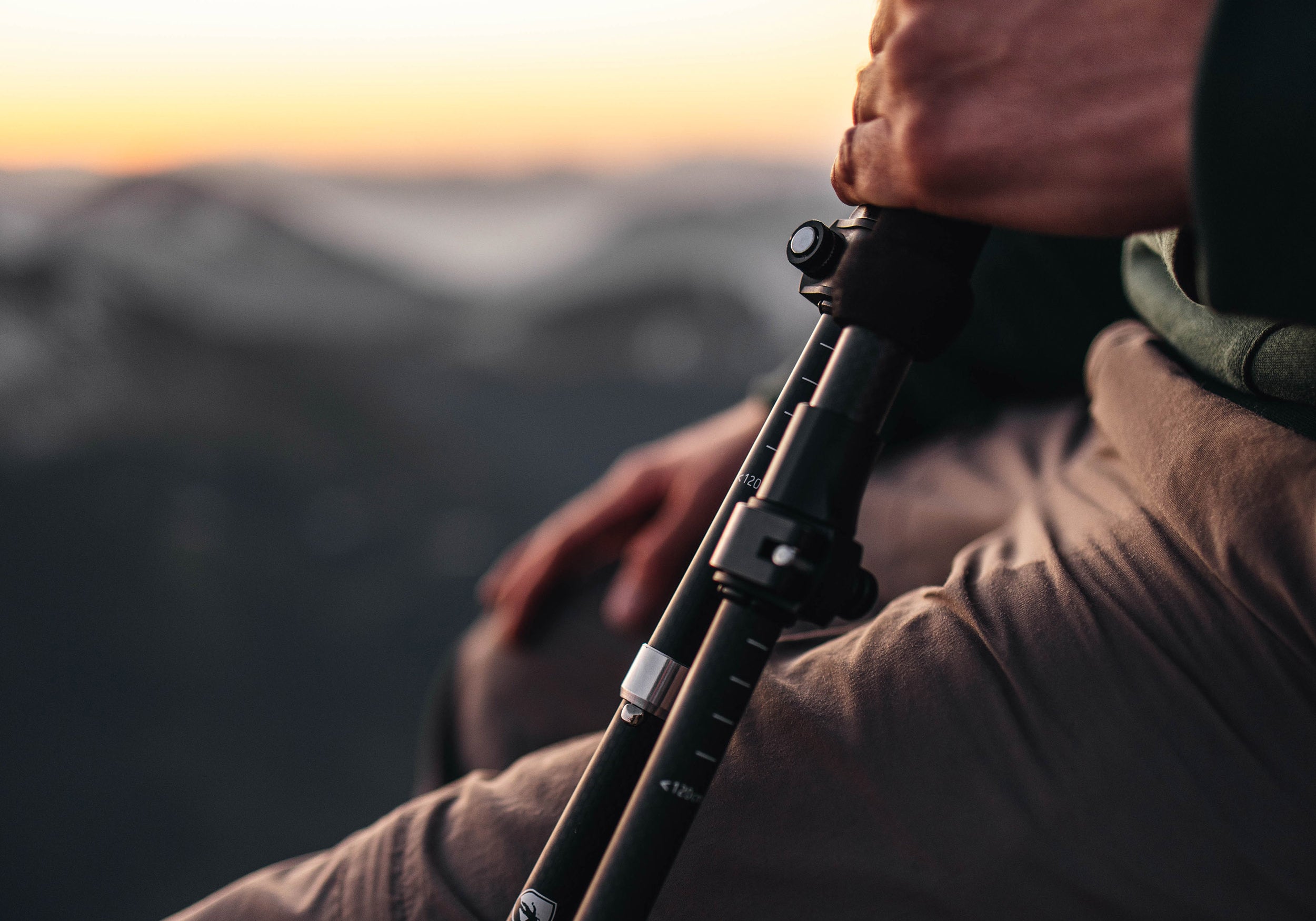
An important step to using trekking poles correctly is setting the correct length. A good rule of thumb is: when standing upright, the elbow should form an angle of about 90 degrees when the pole is placed vertically on the ground. When hiking uphill, the poles can be set slightly shorter to facilitate arm movement. When going downhill, a slightly longer setting is advisable to better support the body and relieve the knees.
The right technique for using trekking poles
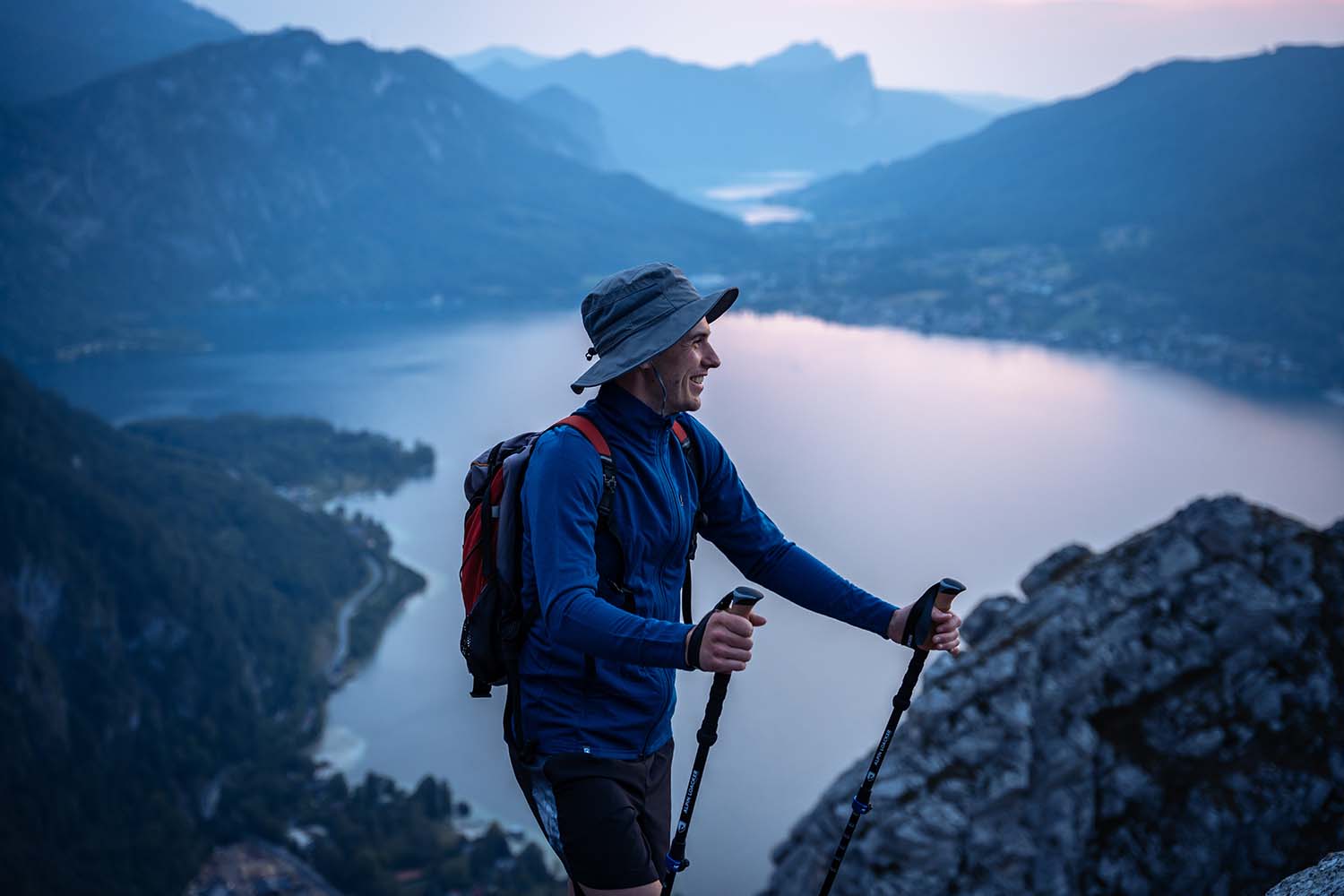
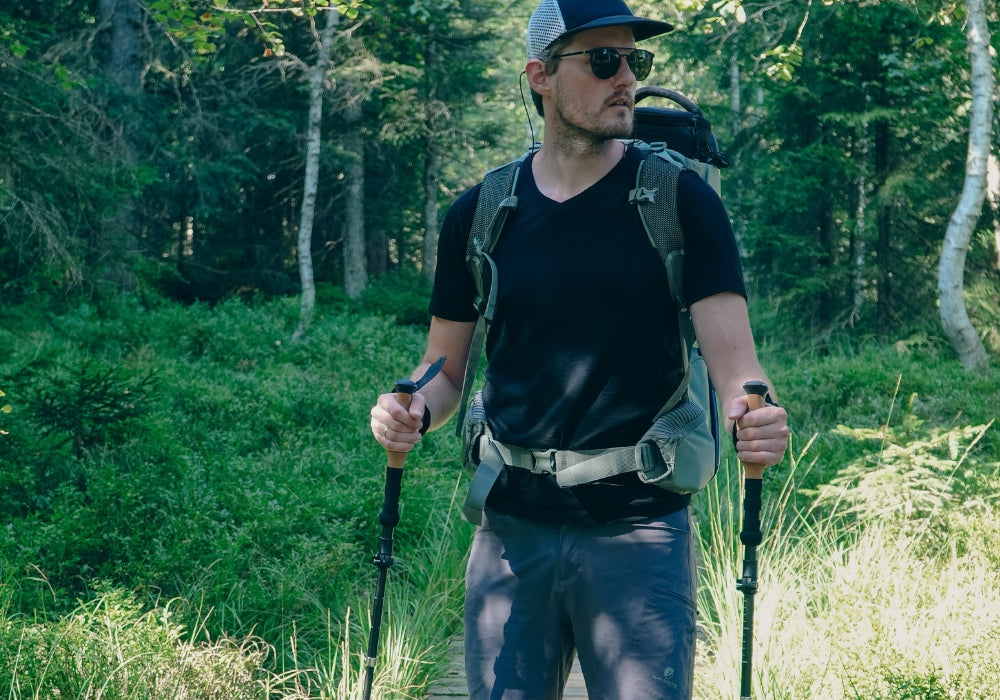
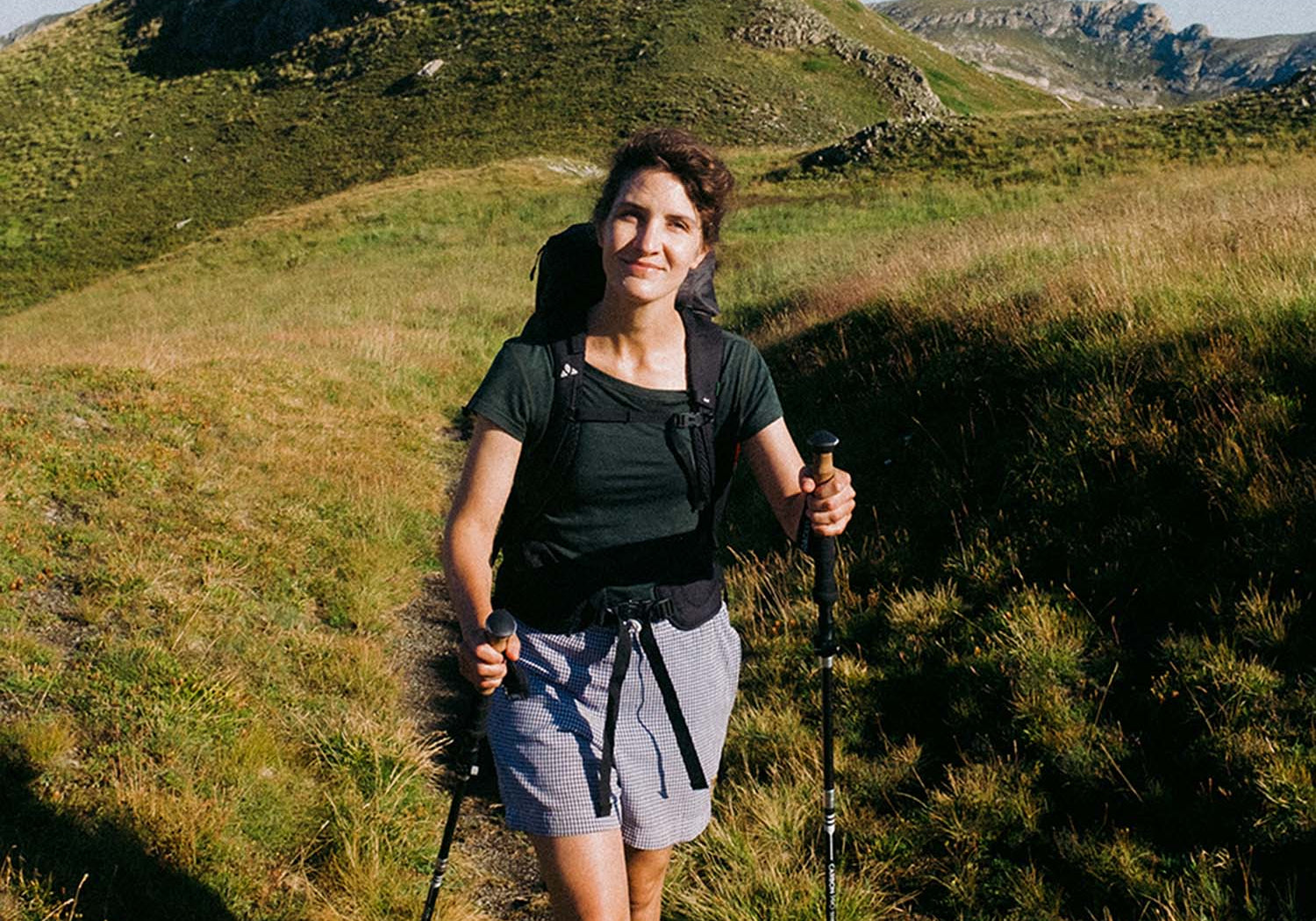
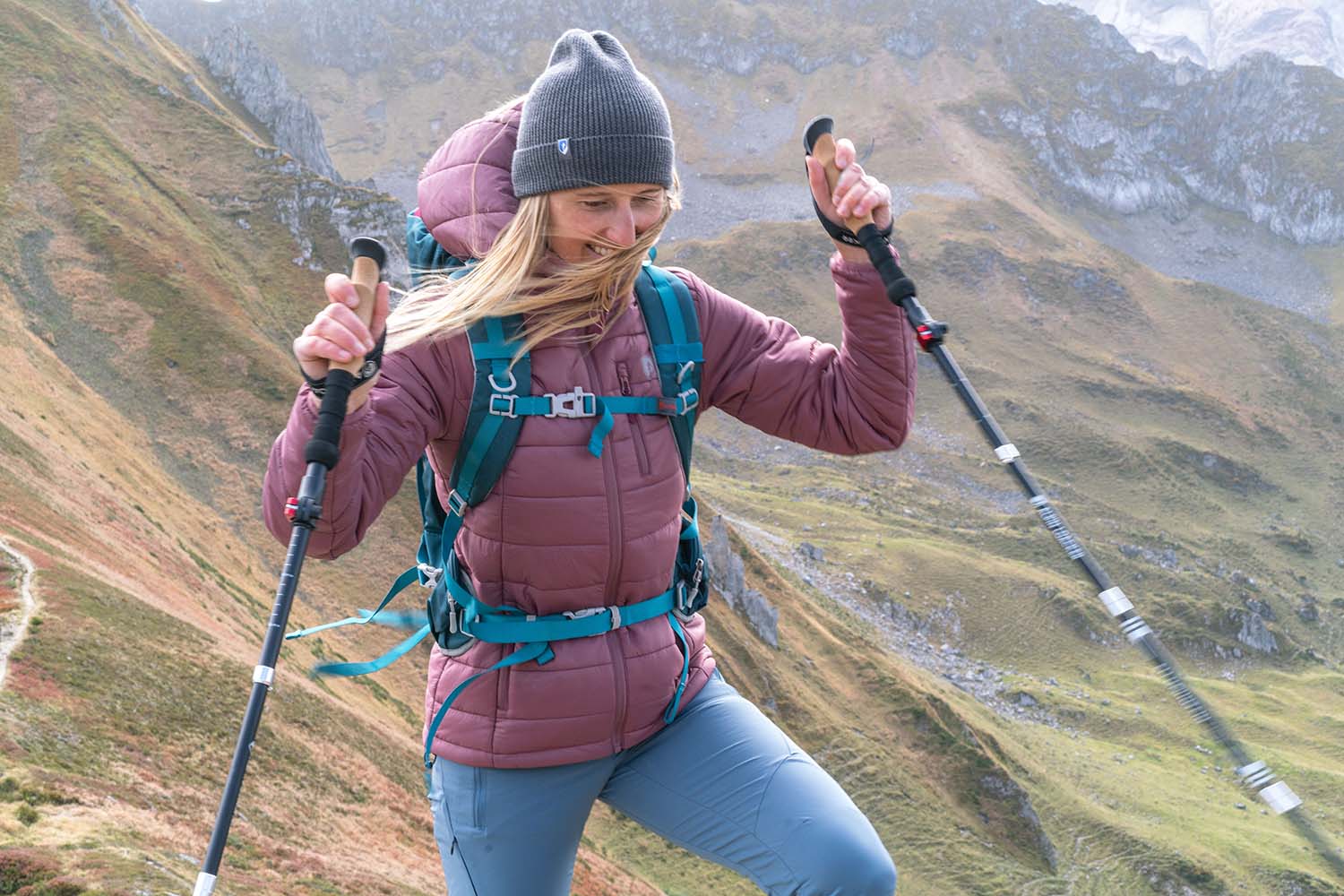
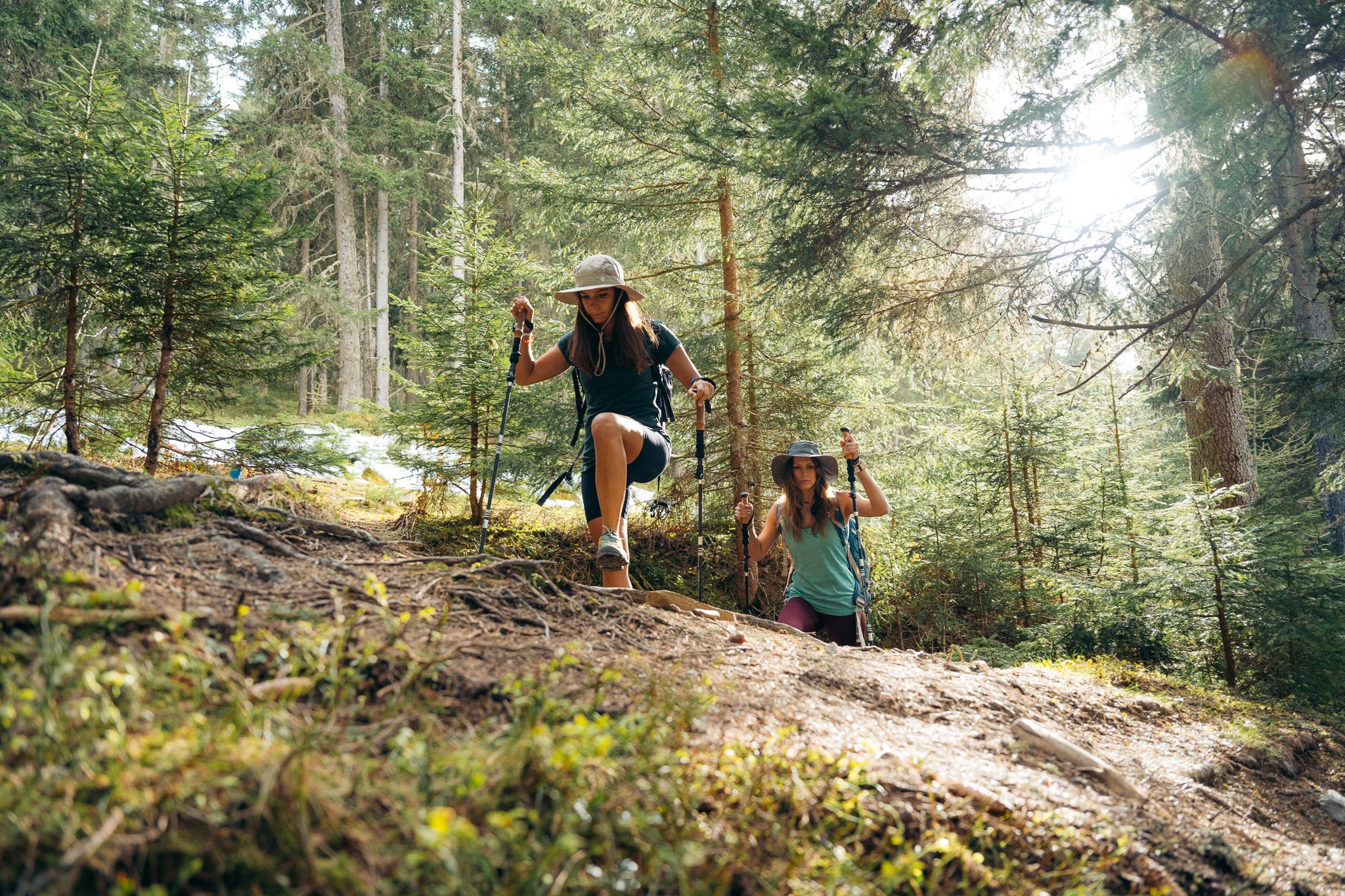
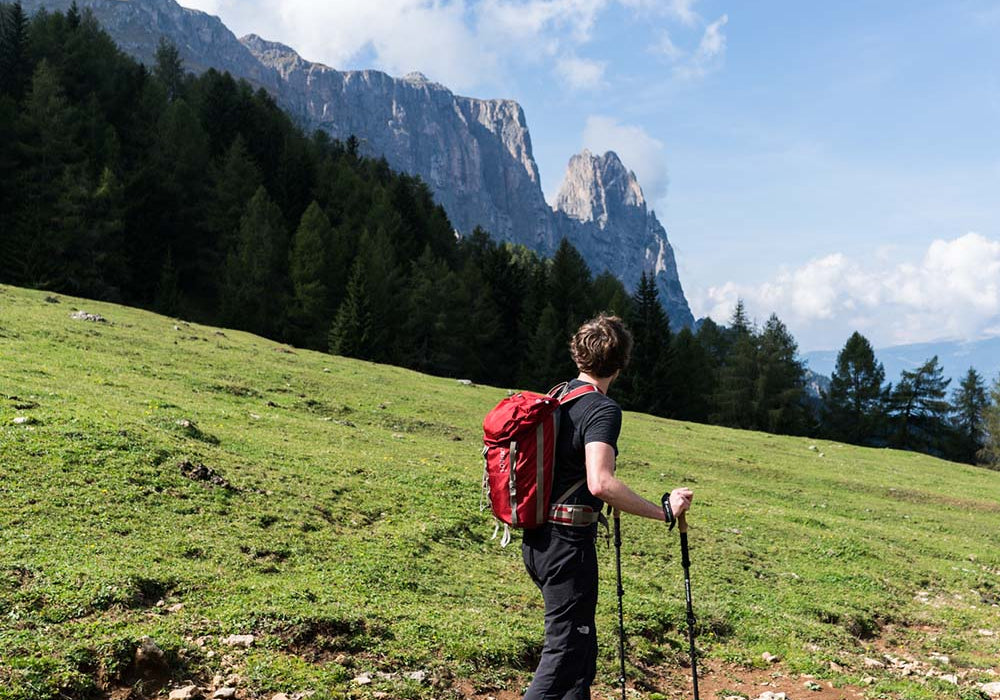
The technique determines whether trekking poles really add value. The arms should swing loosely and not be used tensely. Ideally, the right pole is moved forward simultaneously with the left foot – similar to natural walking. The pole is placed slightly angled backward to generate forward momentum. It is important not to lean on the poles but to actively integrate them into the movement.
Correct use of grip technique and wrist straps
Many hikers use the wrist straps incorrectly or avoid them altogether. However, they are an important part of the correct technique. The hand should slide into the strap from underneath so that it supports the wrist. This allows the grip to remain relaxed while still securely guiding the pole. This relieves the hand muscles and enables longer, fatigue-free hiking.
Posture when hiking with poles
An upright posture is crucial to using trekking poles correctly. The gaze should be directed forward, not constantly at the ground. Shoulders remain relaxed, the upper body slightly leaning forward, especially when going uphill. Leaning too far forward or raising the shoulders risks tension in the neck and back area. Trekking poles should support natural movement, not lead to unhealthy posture.
Safety on different terrains
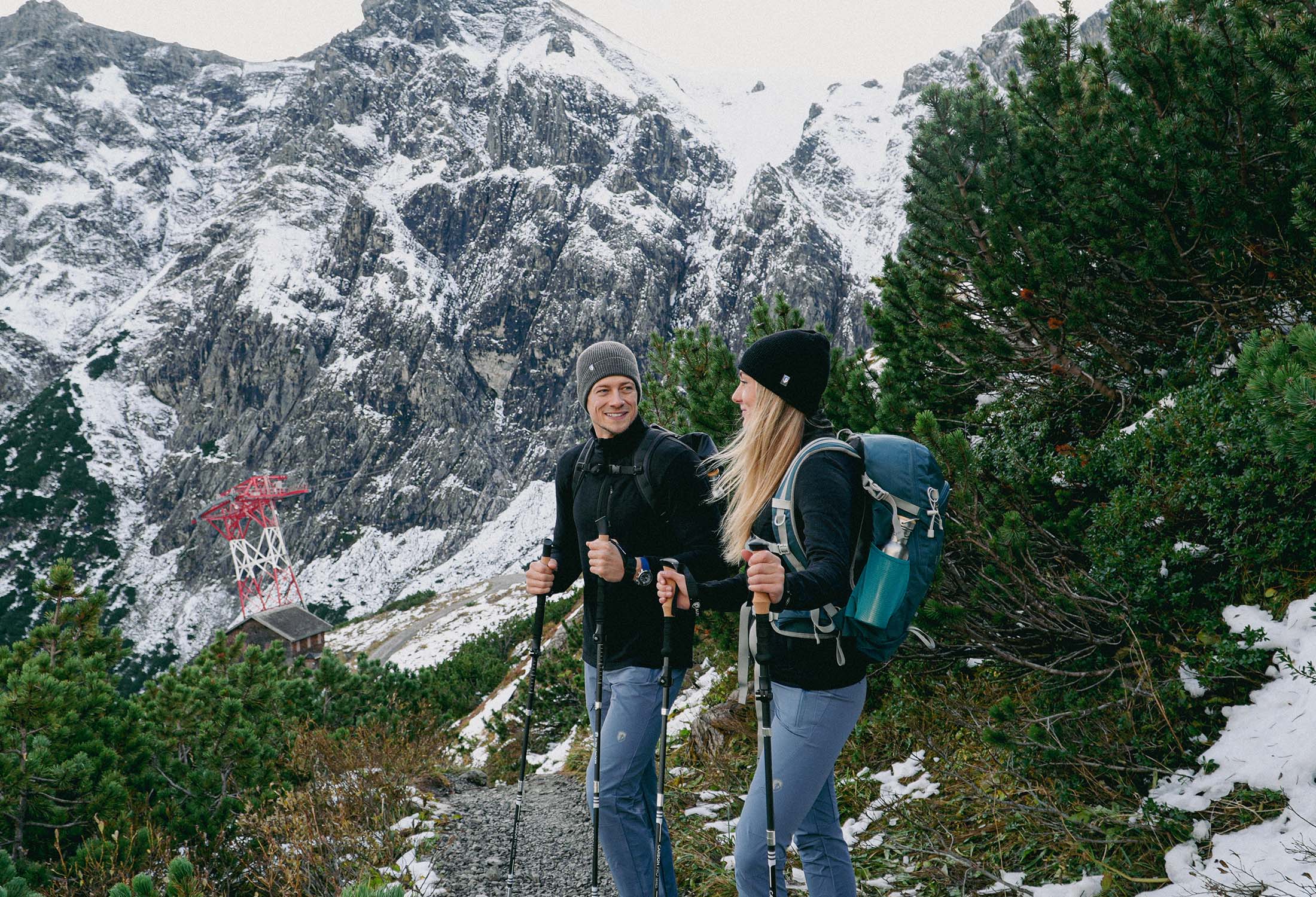
Depending on the terrain, trekking poles must be used differently. On forest paths and gravel, they provide stability by creating additional contact points with the ground. In rocky terrain, they help test the ground before the next step. On slippery or wet paths, the pole should be placed deliberately and controlled to avoid slipping. On very steep or exposed sections, it can be useful to briefly fold the poles to free the hands.
Common mistakes when using trekking poles
A common mistake is setting the trekking poles too long or using them like crutches. This disrupts the natural flow of movement. A grip that is too tight can also quickly lead to fatigue. Equally problematic is placing the poles uncoordinatedly in front of the feet, which creates tripping hazards rather than safety. Avoiding these mistakes allows you to benefit much more from your trekking poles.
Care and regular inspection of trekking poles
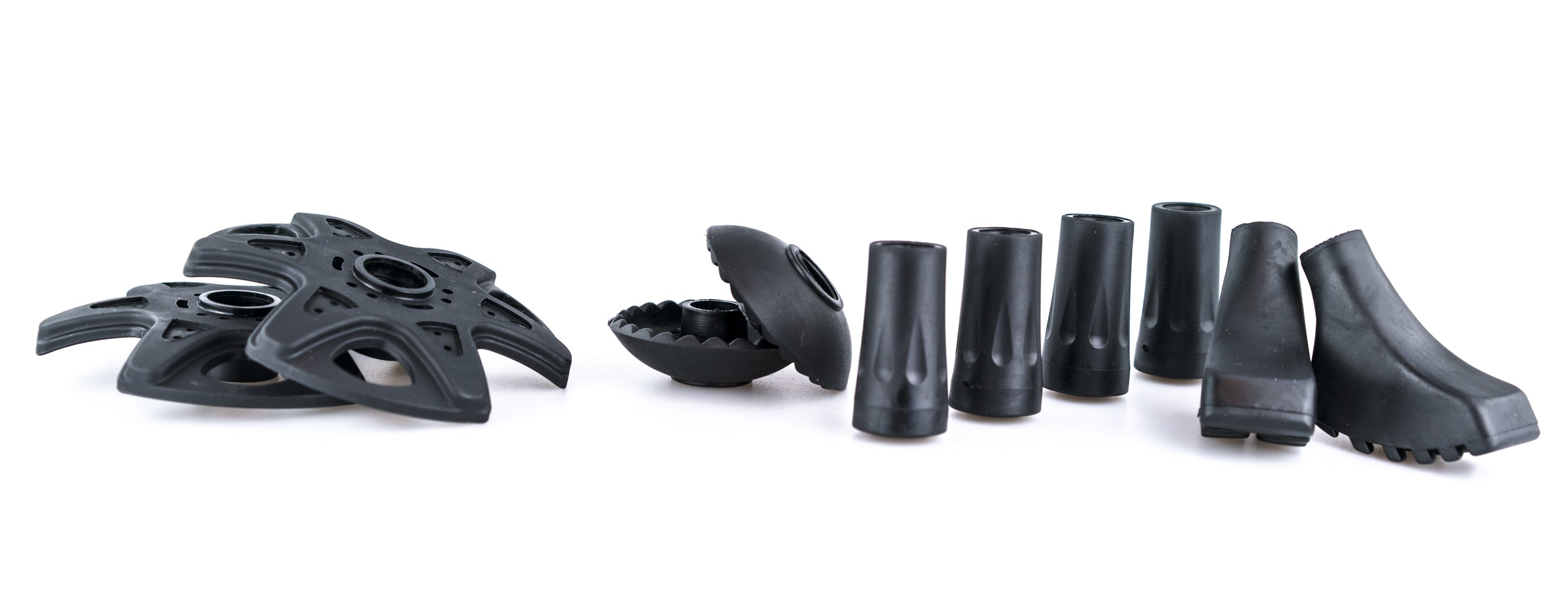
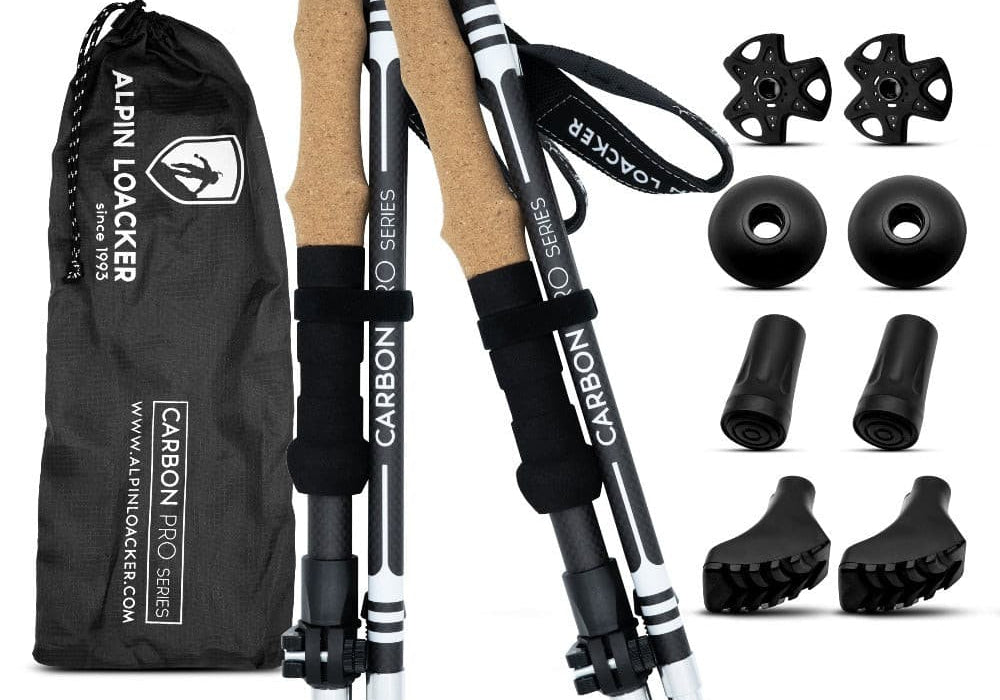
To stay safe in the long term, trekking poles should be checked regularly. Locks, tips, and wrist straps must be secure and intact. Worn tips should be replaced in time to ensure good grip on various surfaces. Well-maintained trekking poles are not only more durable but also more reliable on the trail.
Conclusion: More comfort and safety through proper use
Trekking poles are a valuable aid for hikers of all experience levels. Those who want to use trekking poles correctly should pay attention to the right length, clean technique, upright posture, and conscious use depending on the terrain. This protects the joints, improves endurance, and makes hiking overall safer and more enjoyable. High-quality and thoughtfully designed trekking poles, such as those offered by Alpin loacker, can further support this positive effect.