

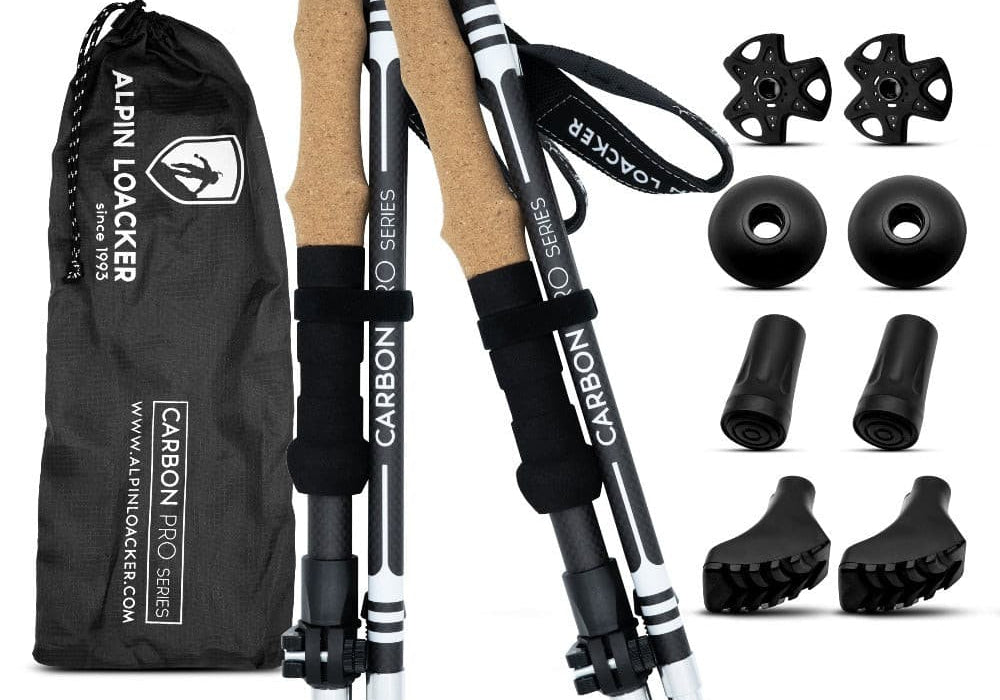


Hiking is far more than just an outdoor hobby – it's a passion that strengthens both body and mind. To make every tour a success, the right equipment is essential. An often underestimated, yet indispensable tool are telescopic carbon trekking poles – the ideal companions for stability, comfort, and perfect balance on changing terrain. These modern, adjustable poles combine functionality with durability and adapt flexibly to any hiking situation. In this article, you'll learn why telescopic carbon poles are essential for your next adventure, what to look for when buying them, and how to use them correctly.
Why Trekking Poles Are Essential
Many hikers underestimate the impact that good trekking poles have on their performance and safety. Yet they can make hiking significantly more efficient, safer, and more enjoyable.
- Better Stability: Trekking poles help you maintain balance – especially on uneven, rocky, or slippery terrain. They significantly reduce the risk of twisting your ankle or stumbling.
- Relief for Joints: During descent, a lot of pressure is exerted on the knees and ankles. By using trekking poles, this strain can be reduced by up to 25% – a real advantage for longer tours or hikers with joint problems.
- Support When Climbing: When hiking uphill, your arms take on part of the effort. This relieves your legs and ensures more even weight distribution.
- More Efficient Movement: With each pole plant, your rhythm becomes steadier, movement smoother, and energy consumption optimized.
If you'd like to learn more about the correct technique, our guide on how to use trekking poles correctly provides valuable tips for a safe start to your outdoor season.
The Benefits of Telescopic Carbon Trekking Poles
The biggest difference between conventional trekking poles and telescopic models is their flexibility. Telescopic carbon trekking poles typically consist of two or three segments that can be individually adjusted.
1. Variable Length for Every Terrain
Depending on the incline or ground conditions, you can quickly adjust the length of the poles. On uphills, poles should be shorter; on downhills, longer. This adaptability makes telescopic poles particularly versatile.
2. Space-Saving Design
Telescopic poles can be collapsed and fit easily into or onto a backpack. This makes them ideal for traveling, trekking tours, or spontaneous outings. Foldable trekking poles offer an especially compact option, collapsing to just a few centimeters.
3. Durability and Stability
Modern materials like aluminum or carbon provide high stability with low weight. The telescopic system is designed to function reliably even with frequent use.
4. Adaptable to Every Body Height
Thanks to adjustable segments, telescopic poles are suitable for hikers of all heights and can be optimally adjusted to your personal body height – for maximum comfort and best control.
Carbon: The Premium Option for Ambitious Hikers
If you particularly care about weight, stability, and durability, carbon trekking poles are your best choice. Carbon is an ultralight yet extremely stable material with many advantages:
- Lightweight for Long Tours: Carbon poles are significantly lighter than aluminum versions – a clear advantage on multi-hour or challenging tours.
- Vibration Damping: Carbon absorbs vibrations better, which is easier on your wrists and shoulders – especially on rocky or hard surfaces.
- High Stability: Despite their low weight, carbon poles offer impressive break resistance – ideal for experienced mountaineers and trekking enthusiasts.
- Modern Design: Carbon poles also score points with an elegant, contemporary look.
Are you unsure whether carbon or aluminum is the better choice? Our comprehensive Trekking Poles Test 2026 compares both materials in detail. For particularly ambitious tours, it's also worth checking out our recommendations on carbon trekking poles for long trekking tours.
Tips for Proper Use and Adjustment
To get the most out of your telescopic carbon trekking poles, pay attention to a few details:
- Adjust Length: A general rule of thumb is: when holding the grip, your forearm should be at a 90-degree angle to the ground. On uphills, set them about 5 cm shorter; on downhills, 5 cm longer.
- Use Straps Correctly: Thread your hand up through the strap from below, then grasp the handle. This transfers force optimally and relieves strain on your wrist.
- Choose the Right Tips: For details on which pole tips are suitable for different terrain, check out our article on choosing the right pole tip for each terrain.
- Check the Lock: Before each tour, verify that the clamp or twist locks are secure so the poles don't collapse during your hike.
- Maintenance: After wet tours, pull the segments apart, clean, and dry them – this significantly extends their lifespan.
FAQ on Telescopic Carbon Trekking Poles
How Heavy Should Good Carbon Telescopic Poles Be?
High-quality telescopic carbon trekking poles weigh approximately 200 to 260 grams per pole. This makes them significantly lighter than aluminum models (around 300 g) and noticeably more comfortable to carry on multi-day tours.
Are Carbon Telescopic Poles Suitable for Beginners?
Yes, absolutely. Even beginners benefit from the low weight and excellent vibration damping. It's just important to adjust the poles correctly to your own body height and learn the proper hiking technique.
How Long Do Carbon Trekking Poles Last?
With proper use and maintenance, carbon telescopic poles last for many years. Avoid strong lateral loads and leverage – carbon is extremely stable under compression but can break under point lateral stress. Regular cleaning of the segments keeps the locking system functioning long-term.