




The temperature drops below zero, wind sweeps over the ridge, and moisture creeps through every crevice. This is exactly when it becomes clear whether your ultralight tent - what to consider on cold nights - is more than just a buzzword. Anyone spending the night outdoors in frost must plan their setup carefully: a lightweight tent saves weight in your backpack, but must not show weaknesses in insulation, ventilation, and stability. With proper preparation, even a freezing cold night becomes a safe and restorative experience.
Material and Construction: What to Look for in an Ultralight Tent
Cold nights often bring wind and moisture. Therefore, pay attention to an outer tent with reliable water-repellent coating and sturdy, double-stitched seams. High-quality materials prevent moisture from entering and maintain their shape even with temperature fluctuations.
A double-wall system offers clear advantages:
- The outer tent keeps wind and precipitation out.
- The inner tent reduces condensation and improves the climate inside.
- The vestibule provides space for wet gear.
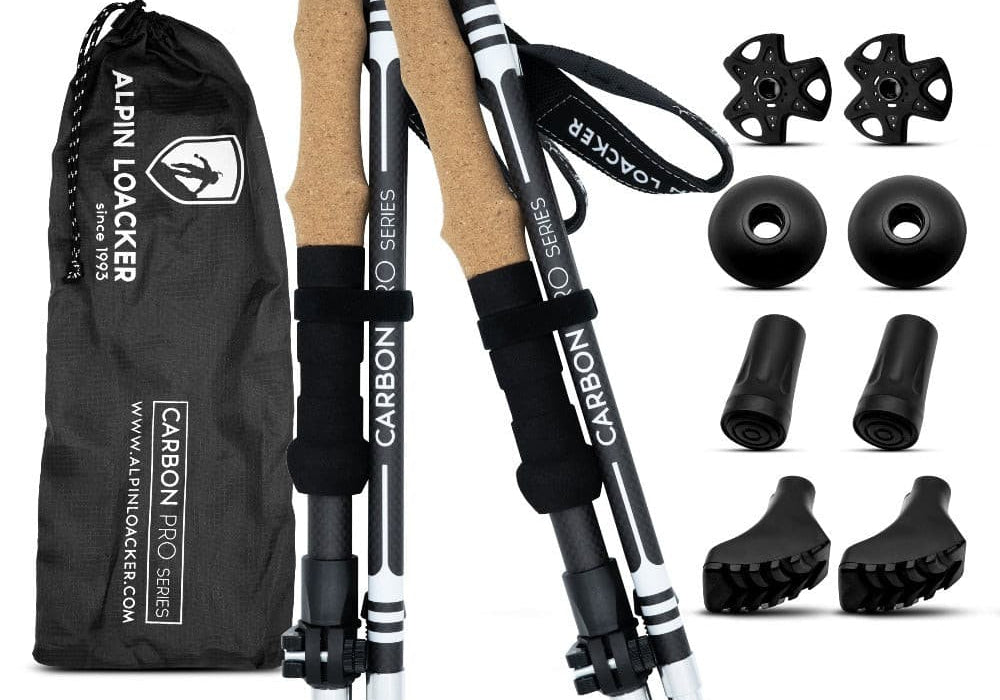
Alpin Loacker relies on well-thought-out constructions with stable poles and compact pack size for its lightweight tents. Carbon or aluminum poles should be flexible and load-bearing at the same time – quality pays off here. If you consistently focus on weight in your equipment, it's best to pair your tent with an ultralight backpack for winter tours that complements your entire setup harmoniously.
Reducing Condensation and Choosing the Right Location
Cold quickly leads to condensation in the tent. Warm breath hits the cold tent wall, moisture accumulates and drips back. Here's how to stay dry:
- Leave ventilation openings slightly open, even in frost.
- Do not pitch your tent directly next to bodies of water – humidity is higher there.
- Avoid storing wet clothing in the interior. Hang damp gear in the vestibule.
The location also determines your sleep quality. Hollows collect cold air, where temperatures drop more significantly. Instead, look for slightly elevated areas with natural wind protection from rocks or trees. Pitch your tent tightly – loose lines cause fluttering, which additionally cools things down and stresses the material.
Ground insulation is particularly important: the greatest heat loss occurs downward. A mat with sufficient R-value is essential. Which models offer particularly good insulation is shown in our overview of ultralight sleeping pads with the best balance of insulation and comfort. Side sleepers also find suitable recommendations in our guide to the best sleeping pad for side sleepers.
Adapt Your Sleep System to the Cold
A good tent alone is not enough. Combine it with a sleeping bag designed for sub-zero temperatures. Pay attention to the comfort temperature and not just the extreme value – the latter only describes a survival situation, not restful sleep. A suitable ultralight down sleeping bag provides high thermal performance with minimal pack size.
Wear dry, insulating clothing in your sleeping bag. Merino wool is particularly suitable as it regulates moisture and provides warmth even when damp. A combination of Merino base layer underwear and warm socks forms the foundation for restful sleep. Pack your clothes for the next day inside your sleeping bag – this prevents them from cooling down overnight.
Stability in Wind and Snow and the Right Balance
Cold nights often come with wind and snowfall. Lightweight constructions must therefore be set up correctly:
- Use all anchor points, not just the main lines.
- With snow, use appropriate stakes or secure lines with snow bags or skis.
- Regularly remove snow from the outer tent – excessive load can stress the poles.
- Check tensions, especially with temperature fluctuations, when the material works.
An ultralight tent reduces the total weight of your equipment and makes long approaches easier. At the same time, the material must not be too thin. Pay attention to a sensible balance between weight and durability. Alpin Loacker develops equipment for alpine conditions – function and protection come first. The goal: lightweight gear with reliable performance, whether on high-altitude tours or winter trekking.
FAQ – Ultralight Tent on Cold Nights
How do I prevent condensation in the tent during frost?
Ensure constant ventilation, even when it's cold. Leave the outer tent's ventilation slots slightly open, store damp clothing in the vestibule, and avoid locations directly by water. A double-wall tent also helps keep moisture away from the sleeping area.
What R-value makes sense for cold nights?
For temperatures around freezing, your sleeping pad should have an R-value of at least 4. For significantly sub-zero temperatures, a value of 5 or a combination of two mats is recommended. Find more details in our article on ultralight sleeping pads for winter tours.
Is an ultralight tent worth it in winter?
Yes, if it's solidly constructed. A high-quality ultralight tent – what to consider on cold nights we've shown above – saves weight in your backpack and provides adequate protection when used correctly. The key is location selection, proper tensioning, and a coordinated sleep system.