




To adjust your backpack correctly and hike pain-free is the basic requirement for every successful tour. Only when your hiking backpack is optimally adapted to your body can you be on the move for hours or days without pain in your back, shoulders, or neck. In this article, we show you step by step how to adjust your backpack perfectly, which mistakes to avoid, and how to recognize when everything fits. You'll become an expert in just a few minutes.
Why it's so important to adjust your backpack correctly
Proper adjustment of your backpack ensures that the weight is distributed evenly across your body. This relieves strain on your back, shoulders, and neck, maximizes your safety, and prevents uncomfortable chafing. Especially on longer tours, you'll notice the difference quickly.
When your hiking backpack sits correctly, you'll maintain balance even on rough terrain and prevent back pain. Otherwise, the weight pulls you backward or downward – you have to exert additional force to walk upright. This strains your entire musculature and especially your back. Particularly on longer winter tours with a 40-liter backpack, proper adjustment makes the decisive difference.
How does a backpack fit correctly?
Your backpack fits correctly when the weight is distributed evenly across your body. It should nestle against your hips and back as if it were a part of you. As little weight as possible should rest on your shoulders – the center of gravity belongs in the back and hip area, where the stronger muscle groups can do the work.
A good indicator: When you open the hip belt, noticeably more load should press on your shoulders. If it doesn't, the backpack is sitting too high or the hip belt is too loose.
Adjust your backpack correctly and hike pain-free – Step by step
To optimally relieve your body and optimize your carrying comfort, you should properly adjust your hiking backpack before first use. With our instructions, it's a breeze.
Step 1: Pack your outdoor gear
First, pack your typical hiking luggage, because only with realistic weight can you adjust the backpack correctly. Pay attention to even weight distribution and ensure that important equipment is easily accessible. This prevents unilateral strain and saves you from spending your breaks searching. An ultralight sleeping pad or an ultralight down sleeping bag help significantly reduce overall weight.
Step 2: Loosen all straps
Loosen all straps and adjustment buckles before putting on the backpack. This creates a neutral starting position and allows you to optimally adjust the backpack afterward.
Step 3: Position the hip belt
Now find the right position for your hip belt. Place it in the middle of your hip bones – not on your stomach and not on your groin, to avoid friction and pinching. Then tighten the belt so it carries the main load of your gear.
Step 4: Adjust shoulder straps
Now it's time for the shoulder straps. They should fit comfortably on your shoulders without pinching. Important: You must be able to stretch your arms freely. Shoulder straps that are set too loose will slip while walking, while straps that are too tight restrict your freedom of movement.
Step 5: Adjust the chest strap
The chest strap provides additional stabilization. On most backpacks, it's height-adjustable and should ideally sit at upper chest height. Make sure your chest can rise and fall freely when breathing. If not, loosen it a bit.
Step 6: Align load lifter straps
Once all straps are adjusted, align the backpack with the load lifter straps. They regulate the distance of the backpack from your torso. Pull them tight so the backpack sits close to your back, but your shoulders aren't pulled backward. Optimal is an angle of approximately 30 to 45 degrees between shoulder and backpack.
Avoid common mistakes when adjusting your backpack
Many hikers make the mistake of loading the entire weight on their shoulders instead of carrying it on their hips. A chest strap that's too loose or forgotten load lifter straps also quickly lead to tension. Plan a few minutes before each tour to adjust your backpack correctly and hike pain-free – your back will thank you.
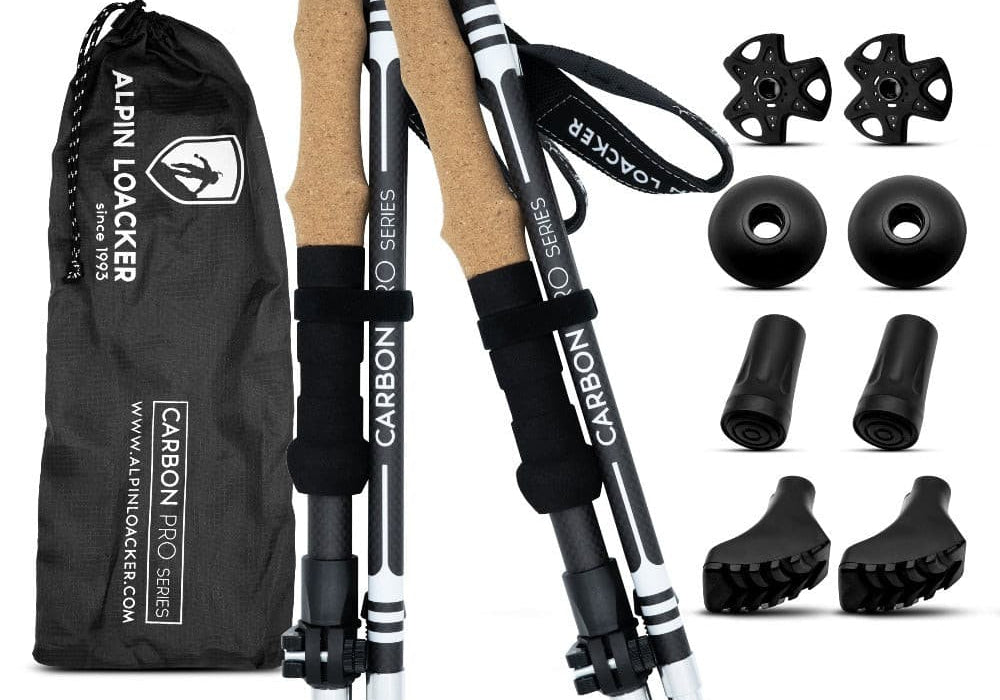
Additionally, good functional clothing is worthwhile: Merino socks prevent blisters, and properly used trekking poles additionally relieve stress on your knees and back.
FAQ – Frequently asked questions about adjusting your backpack
How much weight should rest on the shoulders?
Ideally, the shoulders carry only about 20 to 30 percent of the total weight. The majority – approximately 70 to 80 percent – should be transferred to your hips via the hip belt, as your hips can support the load much better than your shoulders.
How can I tell if my backpack is adjusted incorrectly?
Typical warning signs are pressure points on the shoulders, numbness in the arms, back pain, or a backpack that sways back and forth while walking. Also, if you unconsciously lean forward to maintain balance, the adjustment is wrong.
Should I readjust my backpack during the hike?
Yes, it's even recommended. During the ascent, you can tighten the load lifter straps a bit so the backpack sits closer to your body. During the descent or on flat terrain, you can loosen them again to have more freedom of movement.